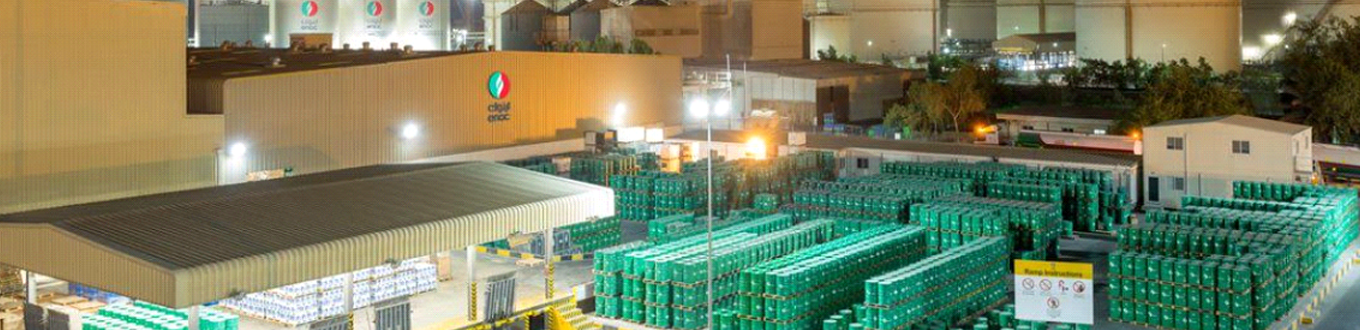
The final link in the energy chain holds the key to economic stability and daily life. Refineries, pipelines, and retail networks turn crude oil into usable fuel and products. These assets create a connection between resource extraction and consumer needs. Without them, global commerce would seize up in days. This discussion reveals the strategic significance of downstream oil and gas.
The lifeblood of modern economies:
Refined products fuel transportation, heating, and industrial processes across every sector of the economy. A single disruption at a refinery can send ripple effects through entire regions. Countries recognize that controlling downstream assets offers direct influence over energy security. These facilities operate around the clock, processing millions of barrels daily. Their output determines fuel availability for personal vehicles, cargo ships, and agricultural machinery.
Profit generation and value addition:
Raw crude carries limited value until processing transforms it into usable products. Downstream operations capture the spread between crude prices and refined product prices. This margin represents significant revenue potential for asset owners. Products like gasoline, diesel, and jet fuel command premium pricing in global markets. Petrochemical feedstocks from refineries enable plastics, fertilizers, and synthetic materials production.
Supply chain stability and reliability:
Pipelines and storage terminals create buffer systems against supply disruptions. Strategic inventory levels protect against geopolitical tensions or natural disasters. These assets allow for flexible distribution based on regional demand patterns. Refineries located near consumption centers reduce transportation costs and risks. Storage facilities maintain product availability even during peak consumption periods.
Market intelligence and demand forecasting:
Downstream operations generate real-time data on consumption patterns and market behavior. This information guides production schedules and inventory management decisions. Understanding regional fuel requirements helps optimize logistics and distribution networks. Seasonal demand variations, holiday travel peaks, and agricultural cycles all influence output planning. This knowledge creates competitive advantages in procurement and trading activities.
Regulatory compliance and environmental responsibility:
Modern refineries incorporate advanced technologies to meet strict environmental standards. Investments in cleaner production methods reduce emissions and improve efficiency. These facilities produce low-sulfur fuels that meet international quality specifications. Compliance with environmental regulations ensures continued operation and market access. Companies that maintain high standards gain public trust and regulatory goodwill.